Shipping natural stone from Turkey to the USA
Updated
Most of the stacked stone sold in the United States crosses an ocean first. A container from Denizli is a routine shipment, but the US side has rules of its own, and a first-time importer is best off knowing them before the stone is loaded. This is what happens between our yard and yours.
From Denizli to the port
Denizli is inland, in the Aegean region. Stone from the city's quarries and factories travels by truck to the container ports around İzmir, on the Aegean coast, and is loaded there.
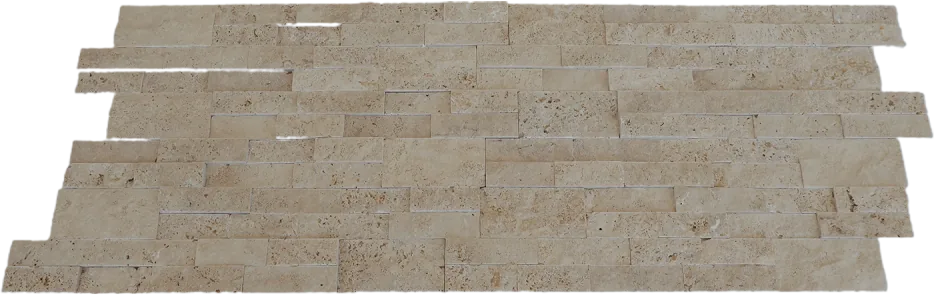
Ledger panels and mosaics are boxed, and the boxes are strapped into wooden crates. Crates crossing a border must be heat-treated and stamped to the ISPM 15 standard; US Customs and Border Protection can refuse wooden packaging that is not.
Which US port
Stone from Turkey reaches every major US container port. The Gulf Coast and the East Coast are the shortest crossings: Houston, Savannah, Charleston, Norfolk, New York and New Jersey, Miami and Port Everglades. West Coast ports such as Los Angeles and Long Beach are a longer voyage.
Choose the port closest to your warehouse, not the cheapest ocean rate: inland trucking of a heavy container is expensive, and the saving on the sea leg can disappear on the road.
Delivery terms
Quotes are written in Incoterms. FOB İzmir means the price covers the stone loaded on the vessel in Turkey, and you arrange the ocean freight and everything after it. CIF Houston, or any other US port, means the seller also pays freight and insurance to that port; you pay from the port onward, including customs and trucking.
First-time importers often find CIF simpler. Importers with a freight forwarder they trust often prefer FOB, because they control the booking and the schedule.
The container and US truck limits
Stone ships in 20 ft containers, because it is so dense that a container reaches its weight limit long before it is full. The ocean limit is not the one that matters, though: US road weight rules usually cap what a 20 ft container can carry on a truck below what the ship would take.
Ask your trucking company for the maximum cargo weight for a 20 ft container in your state before the order is confirmed, and tell your supplier. The crate count is then set to what can actually be driven out of the port, rather than what will fit in the box.
ISF, customs bond and entry
Every ocean shipment into the US needs an Importer Security Filing, often called ISF or 10+2, lodged with US Customs at least 24 hours before the container is loaded in Turkey. Your customs broker files it, and needs the seller's details and the shipping information in time to do so. A late or missing ISF can be penalised.
A commercial shipment also needs a customs bond: a single-entry bond for one shipment, or a continuous bond if you will import regularly. Your broker arranges it.
From the seller you need a commercial invoice, a packing list, the bill of lading and a certificate of origin. Send your broker's document list to the seller before loading, not after the ship has sailed.
Duties
Worked building stone is classified under heading 6802 of the US Harmonized Tariff Schedule, and the exact subheading depends on the stone and how it is worked. On top of the ordinary duty, additional tariffs on imports changed several times in 2025, and they apply by country of origin.
Ask your broker for the rate that applies to Turkish travertine or marble on the day your container will be entered, and build it into your landed cost. A figure taken from a website, including this one, may already be out of date.
Selling in California: Prop 65
Cutting or grinding natural stone releases crystalline silica dust. Businesses selling stone products into California are expected to carry a Proposition 65 warning about it, and US distributors print it on their product pages and labels. If you sell into California, ask your compliance adviser what your labels need to say.
What to ask us for
With a quote, ask for the price per square foot, the minimum order, the lead time, the square feet per crate, the crates per container and the gross weight of a loaded container. With those six numbers, your forwarder and your broker can give you a landed cost per square foot before you commit.