Split face stone cladding
Natural stacked stone cladding panels: strips of travertine and marble split on a guillotine, so every face is the stone's own break, and bonded into staggered panels that interlock on the wall. 27 colours, in 600 × 150, 450 × 150 and 300 × 150 mm and the XL 610 × 230 mm, made in Denizli, Turkey, for importers and stone suppliers in Australia, the UK, New Zealand and Europe.
Ask for a quoteEvery colour
All our split face cladding, travertine and marble. Open a colour for photographs of one panel, panels laid together, and the wall in a room.
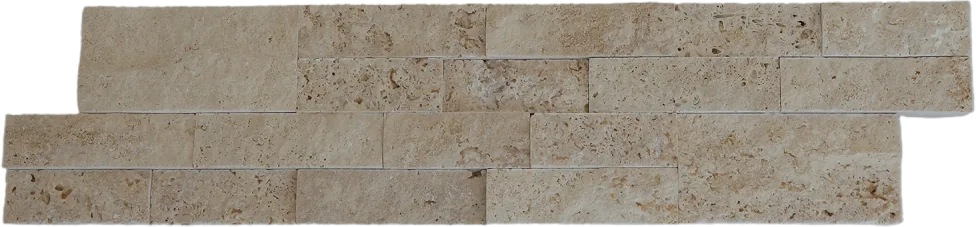
Classic Light
6 × 24 in
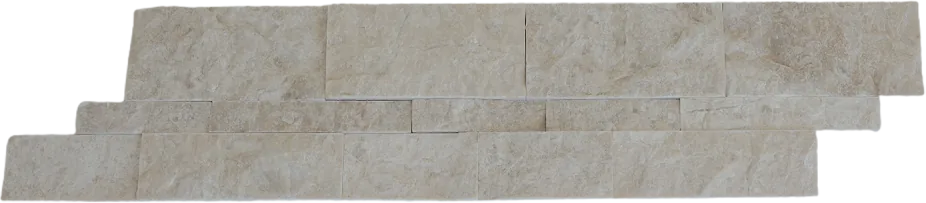
Diana Royal
6 × 24 in
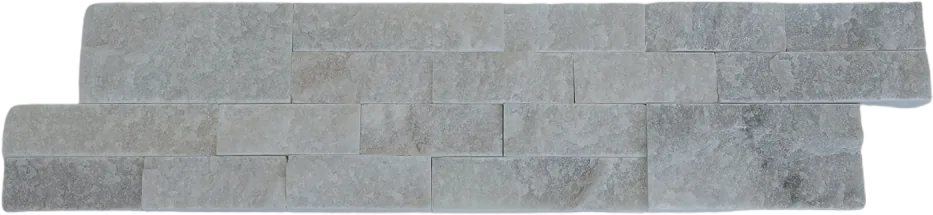
Glacier White
6 × 24 in
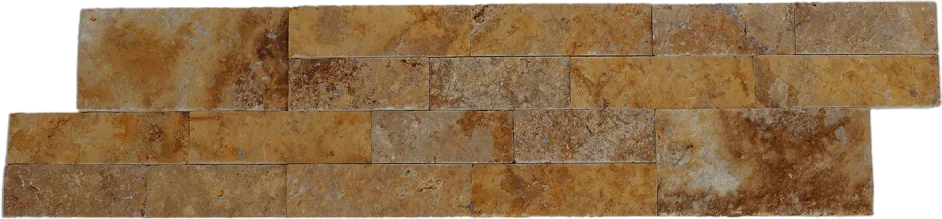
Gold
6 × 24 in
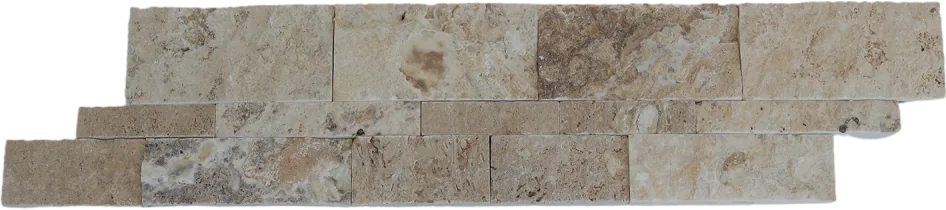
Philadelphia
6 × 24 in
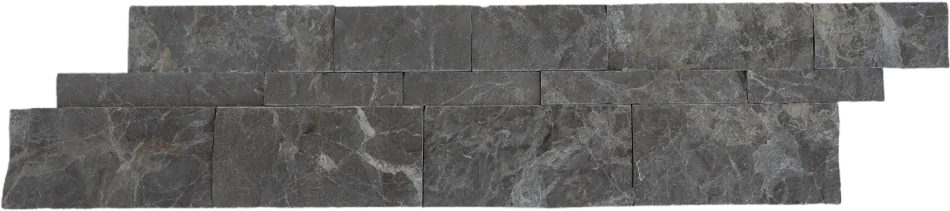
Rain Grey
6 × 24 in
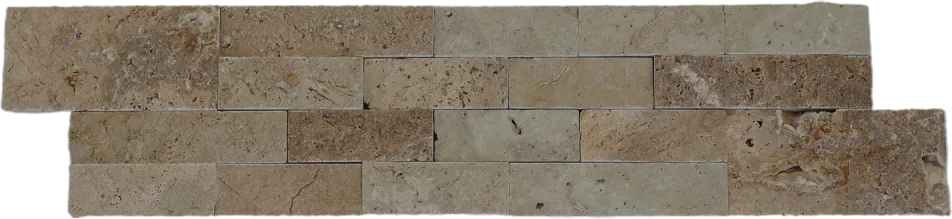
Rustic
6 × 24 in
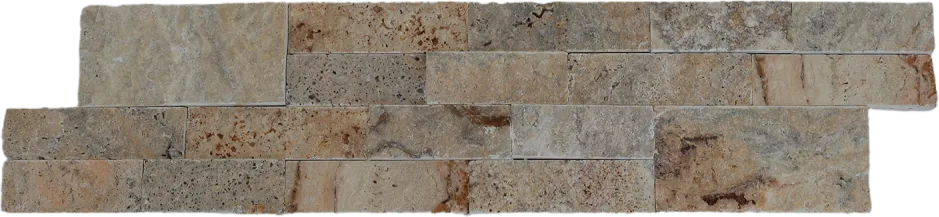
Scabas
6 × 24 in
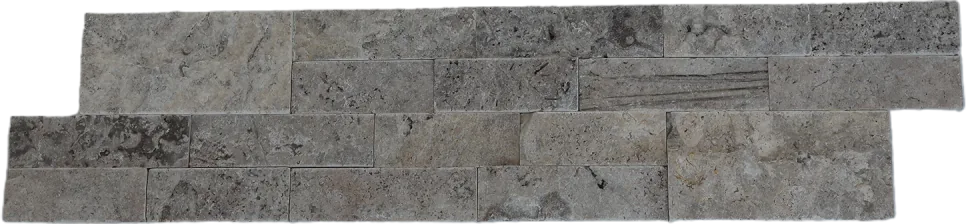
Silver
6 × 24 in
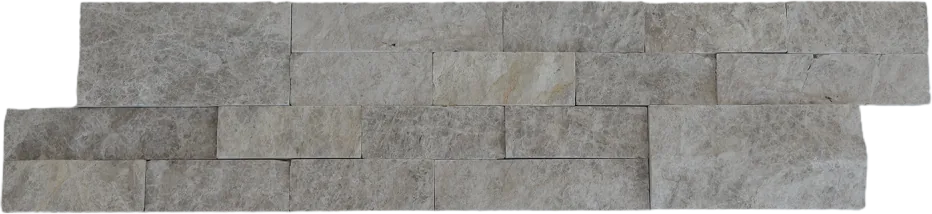
Tundra Grey
6 × 24 in
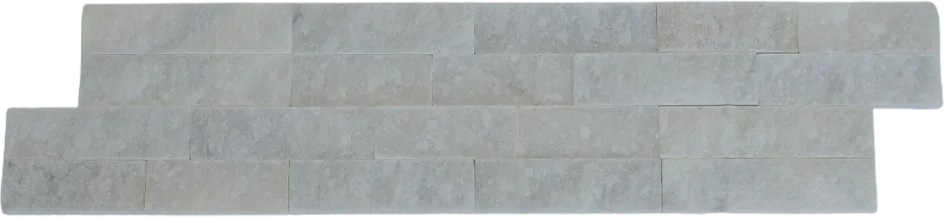
White Pearl
6 × 24 in
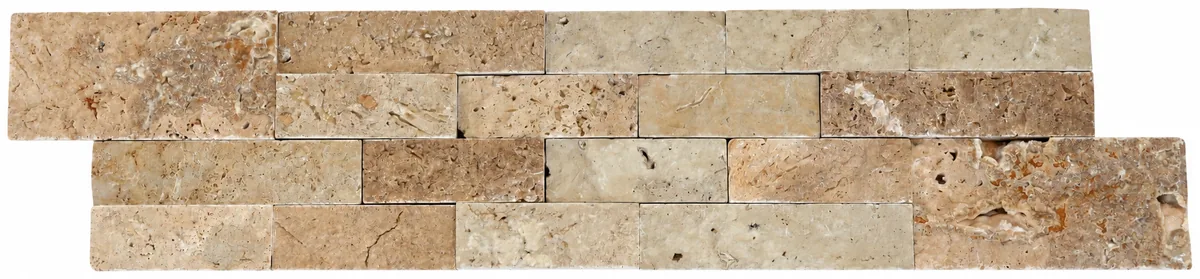
Mix
6 × 24 in
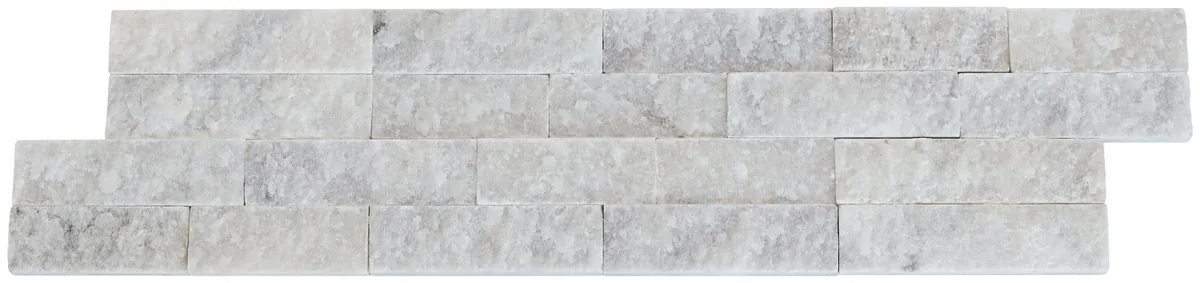
Muğla White
6 × 24 in
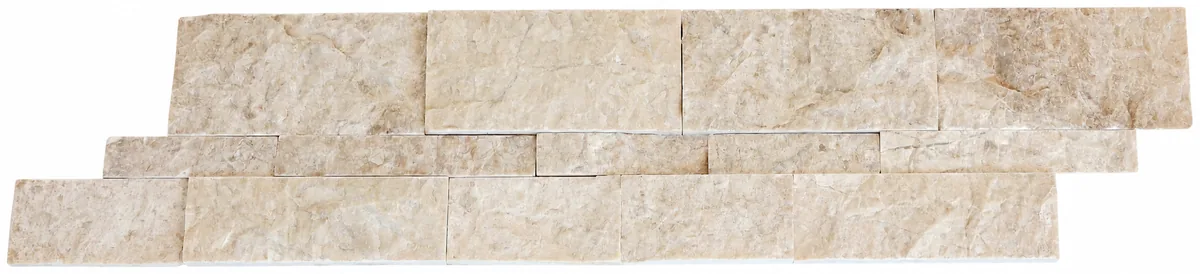
Royal Cream
6 × 24 in
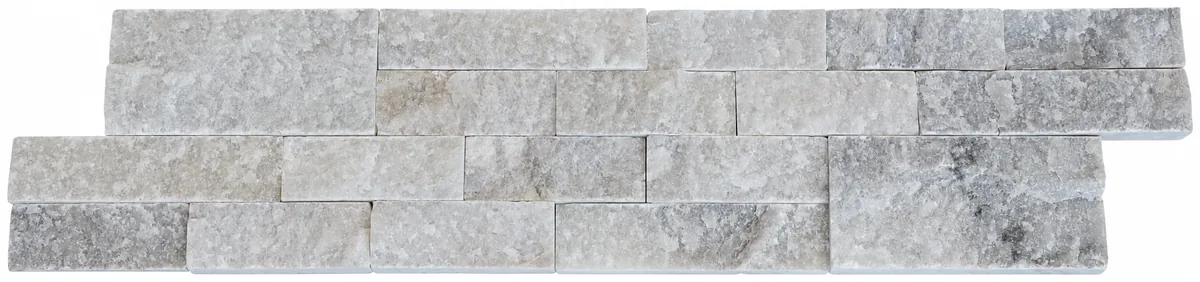
White Marble
6 × 24 in
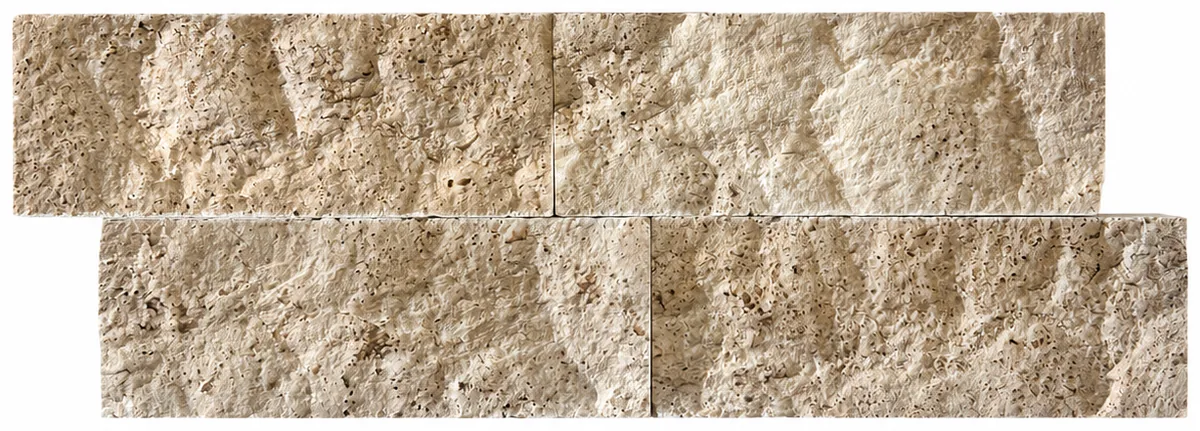
Light
9 × 24 in
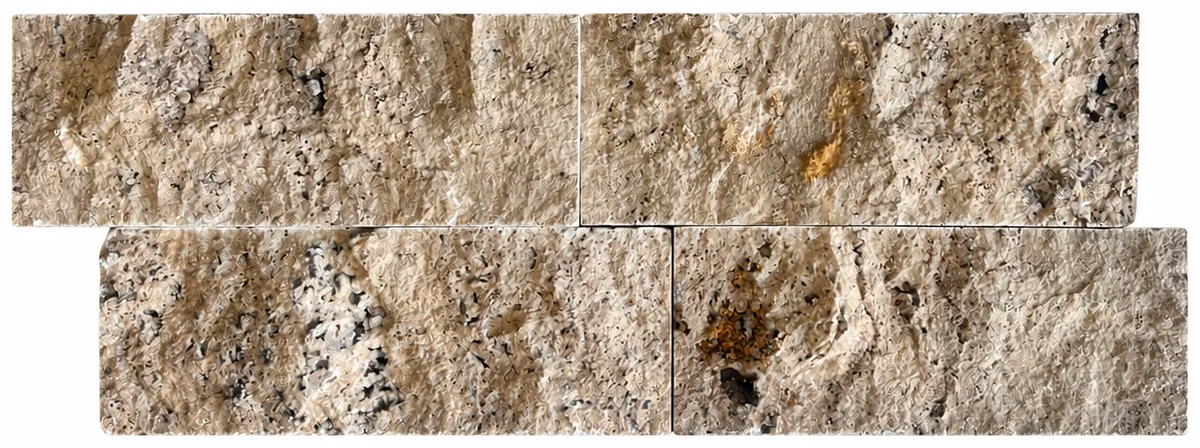
Philadelphia
9 × 24 in
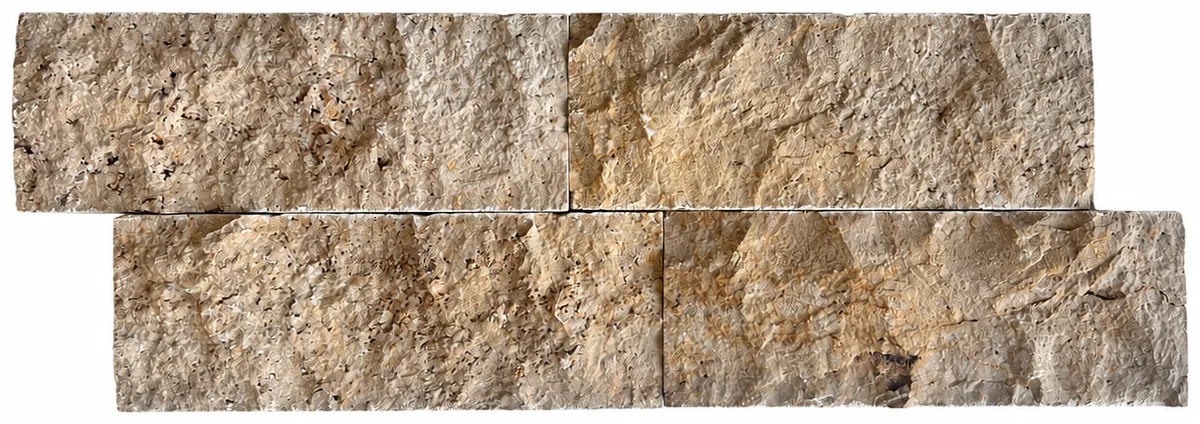
Rustic
9 × 24 in
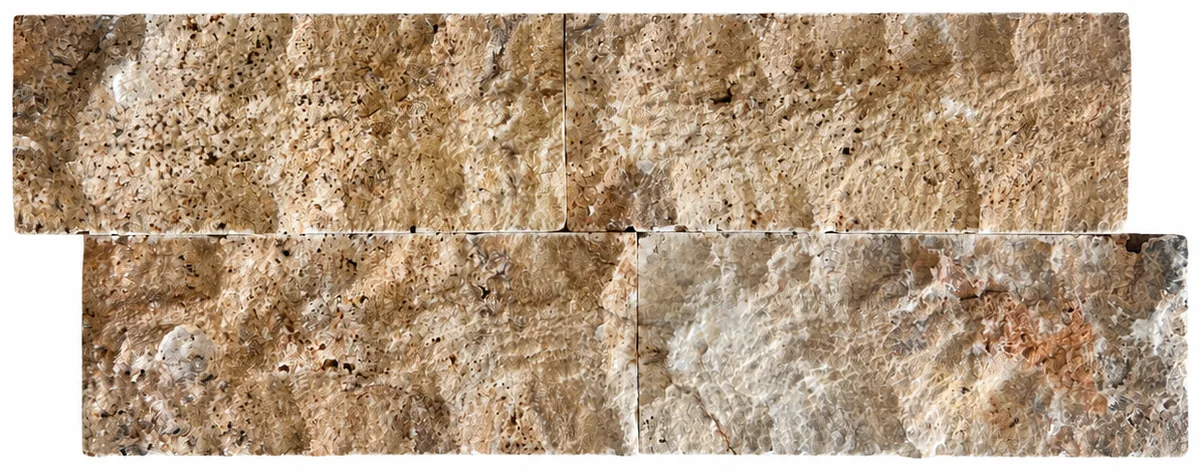
Scabas
9 × 24 in
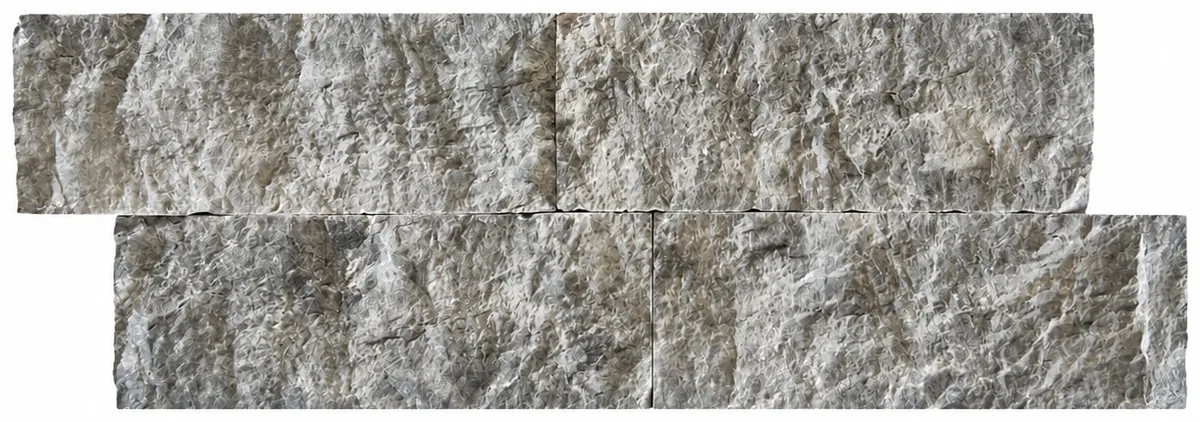
Silver
9 × 24 in
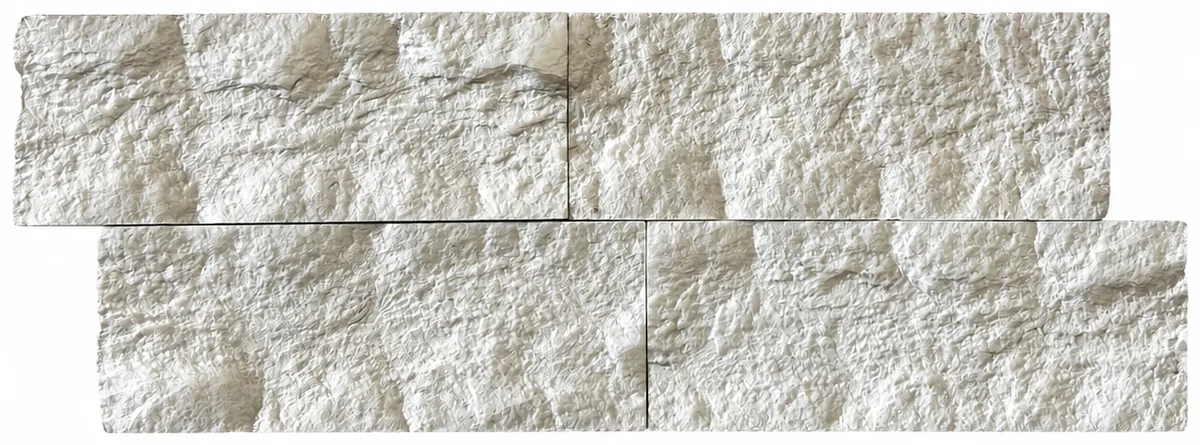
Mayra
9 × 24 in
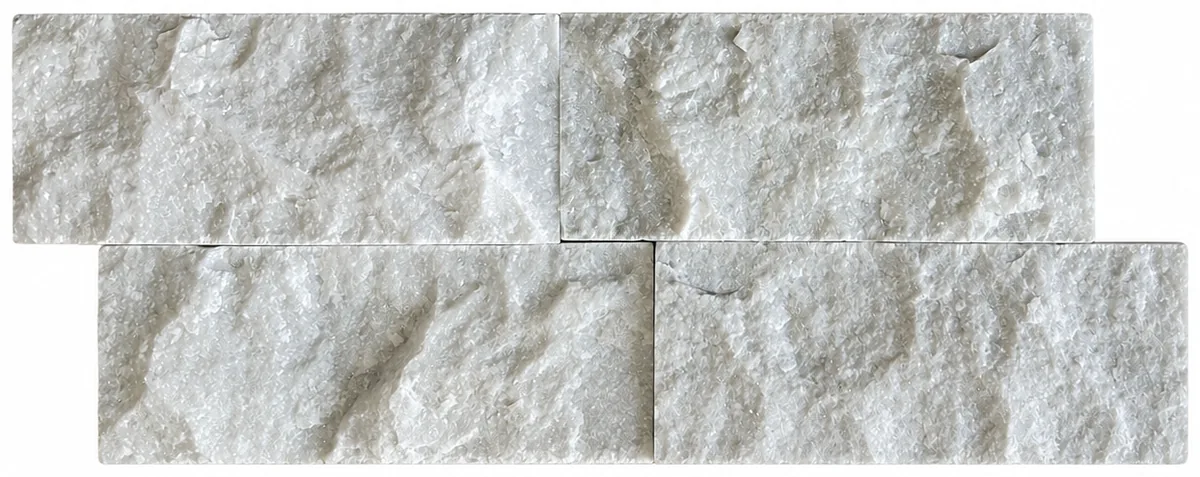
K. Paşa
9 × 24 in
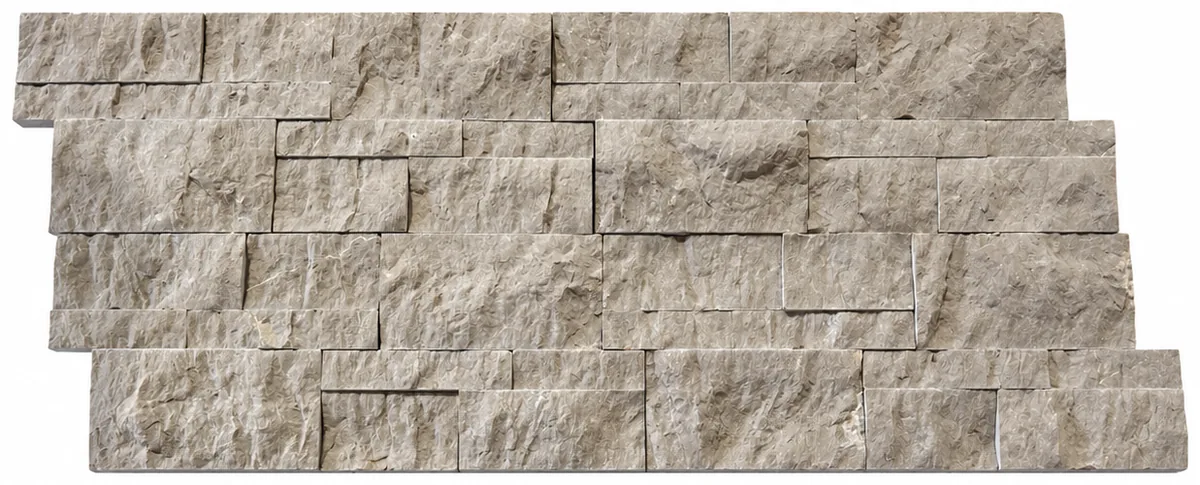
Bursa Beige
9 × 24 in
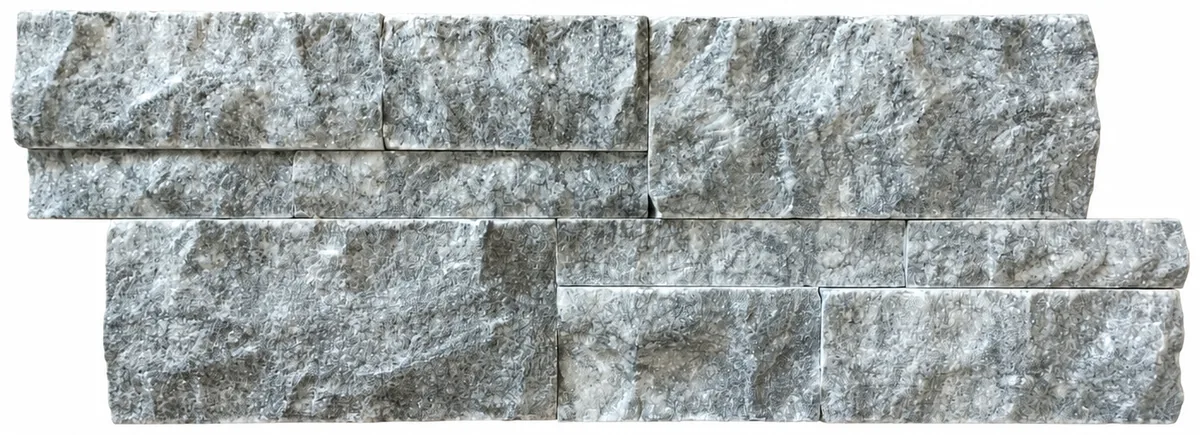
Atlantic Blue
9 × 24 in
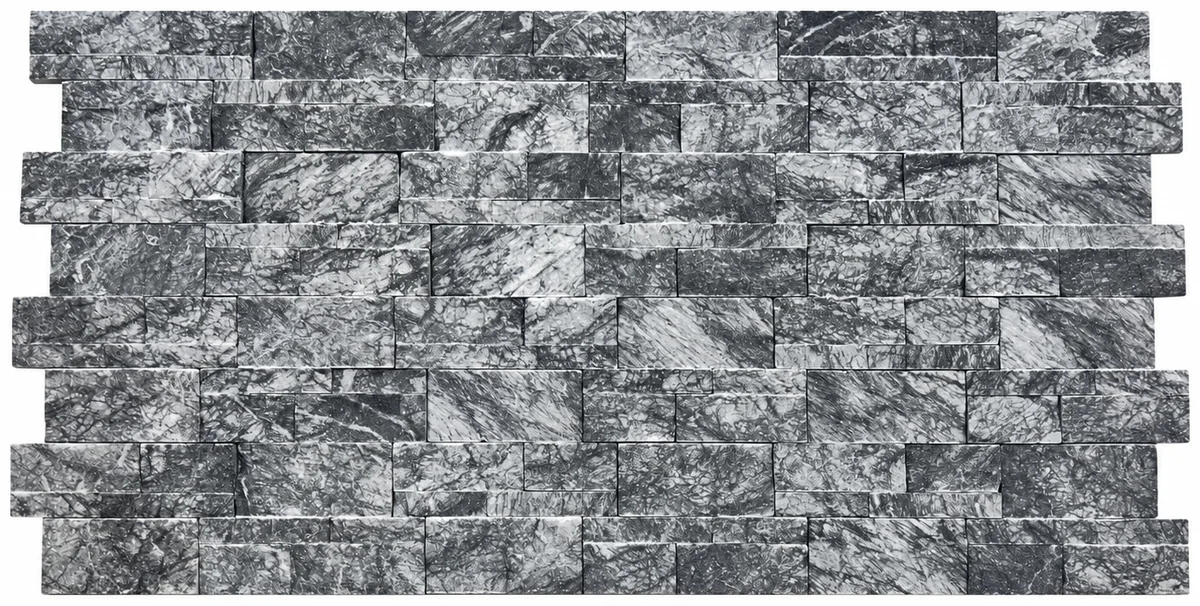
Black Marble
9 × 24 in
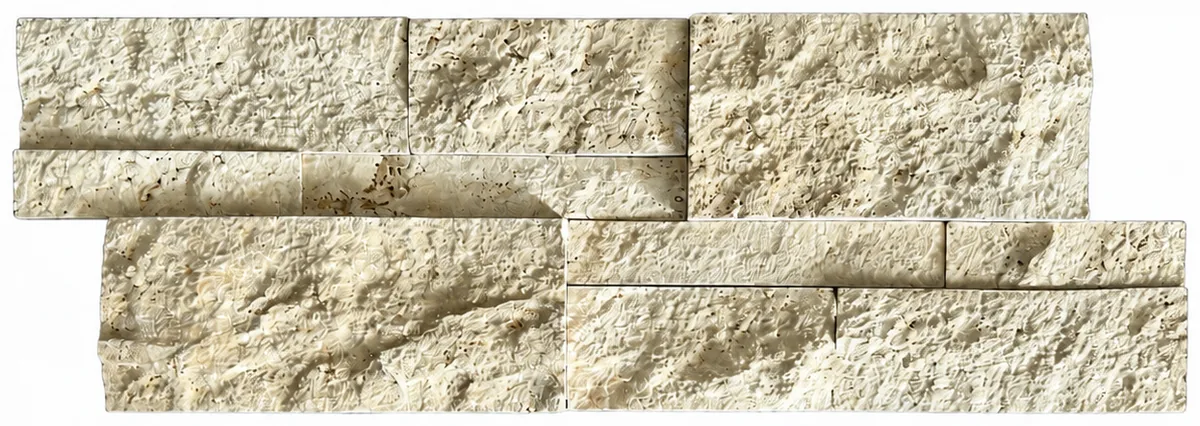
Light Split
9 × 24 in
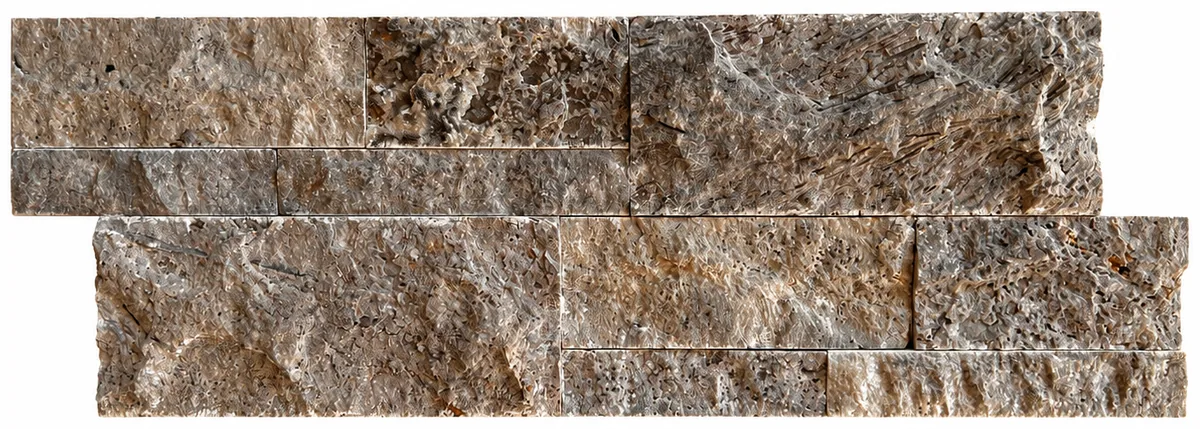
Silver Split
9 × 24 in
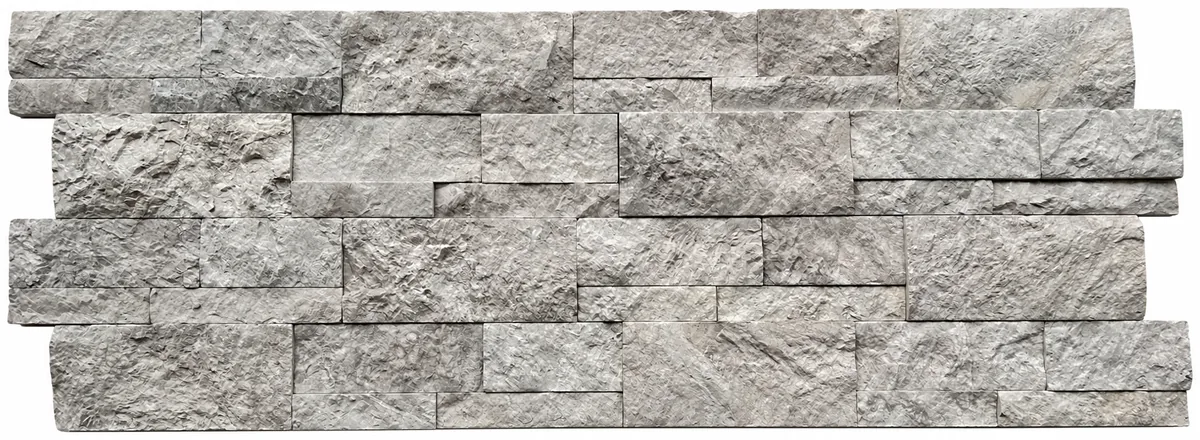
Başarır Split
9 × 24 in
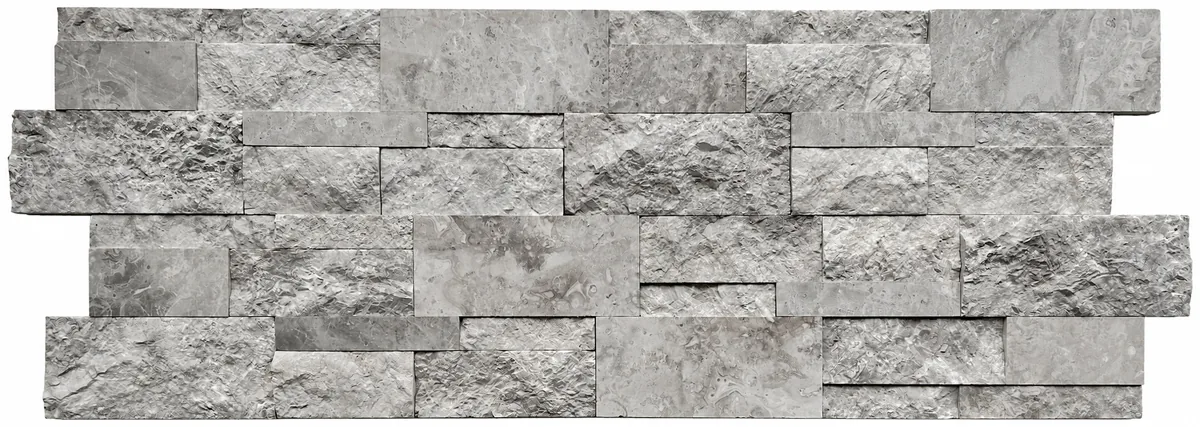
Başarır Honed & Split
9 × 24 in
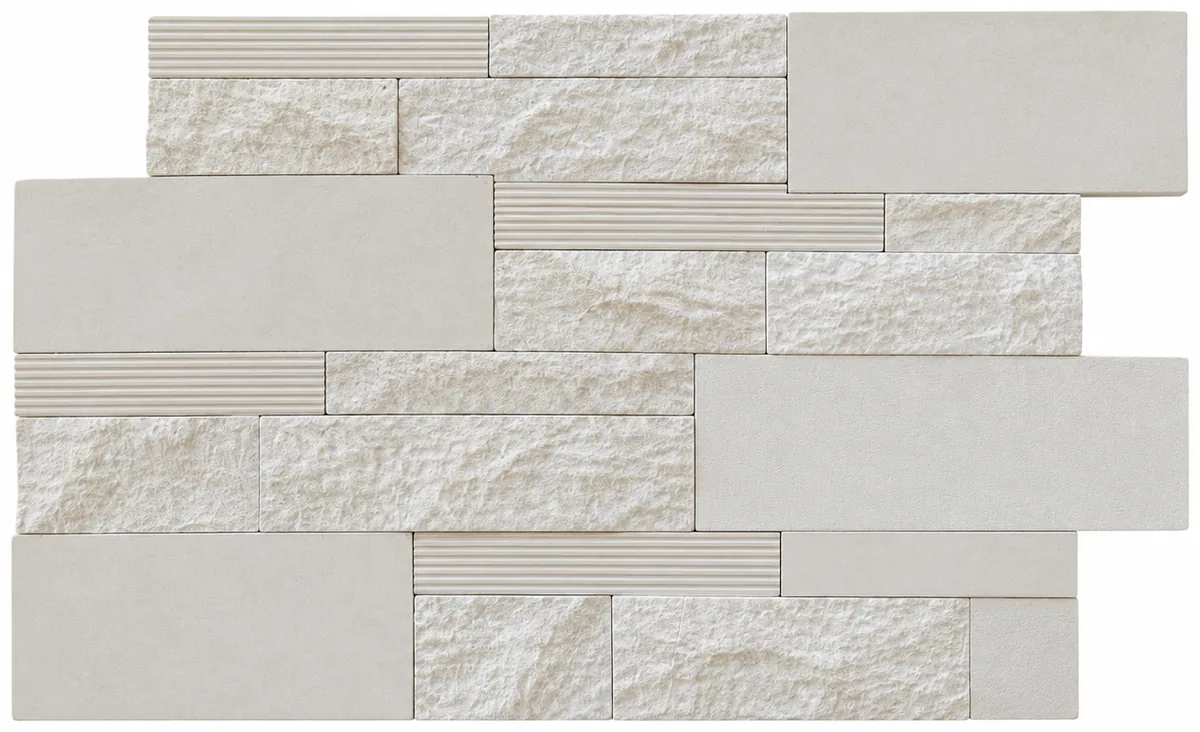
Taja Cream Split & Honed
9 × 24 in
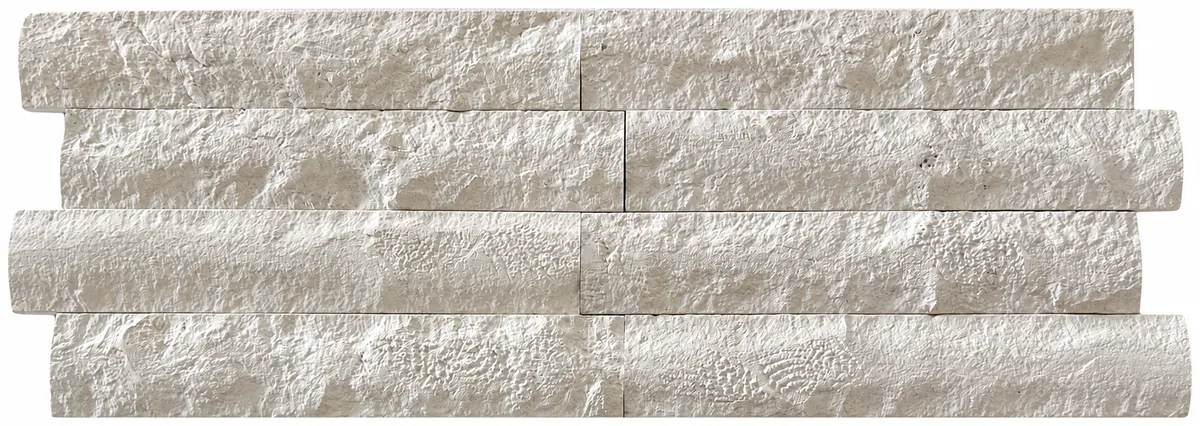
Taja XLP Plus Split
9 × 24 in
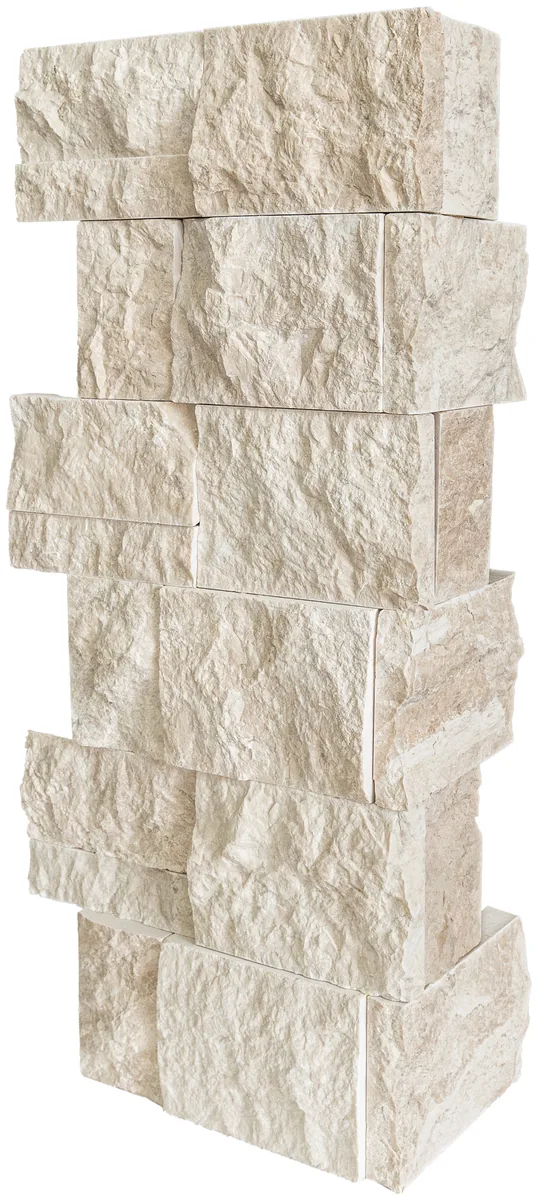
Diana Royal
9 × 18 in
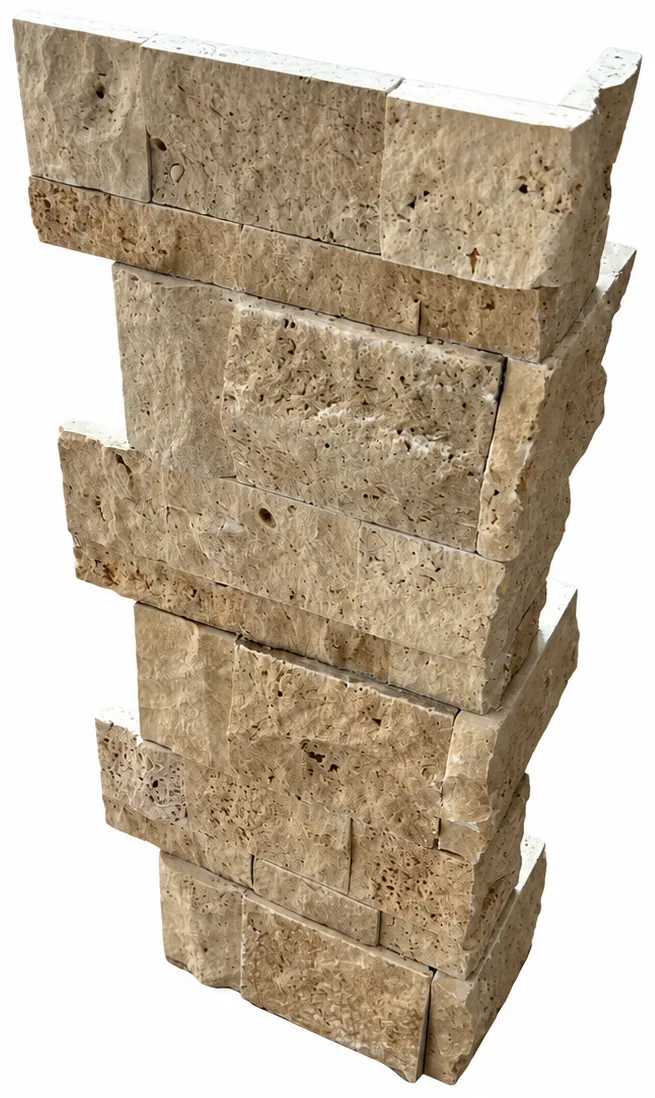
Light
9 × 18 in
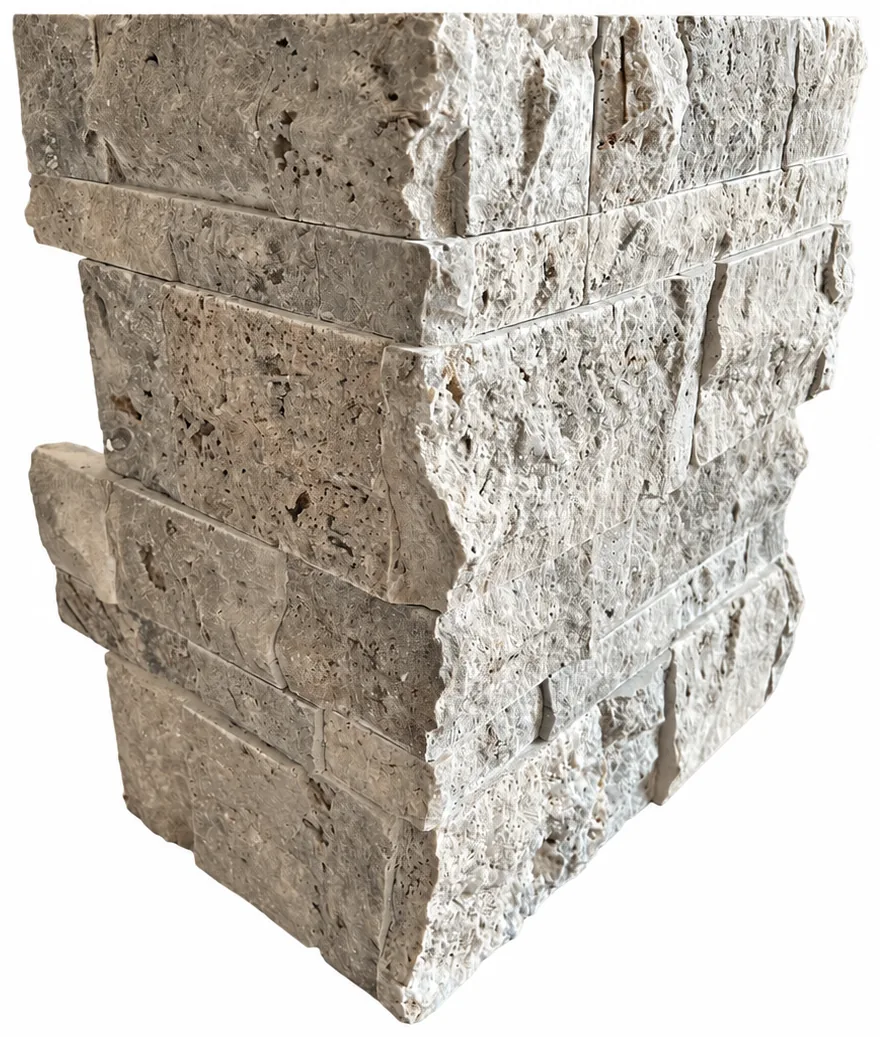
Silver
9 × 18 in
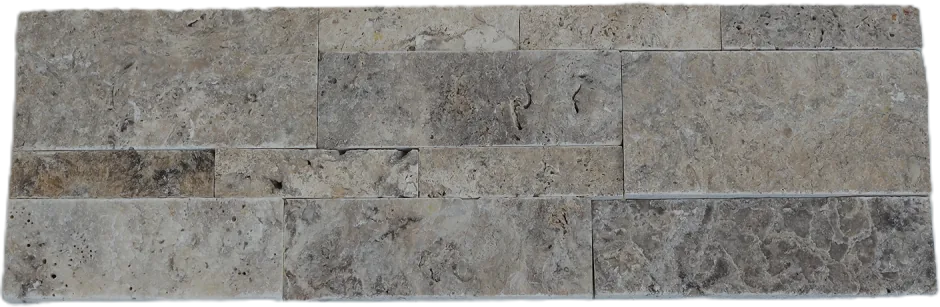
Silver
6 × 18 in
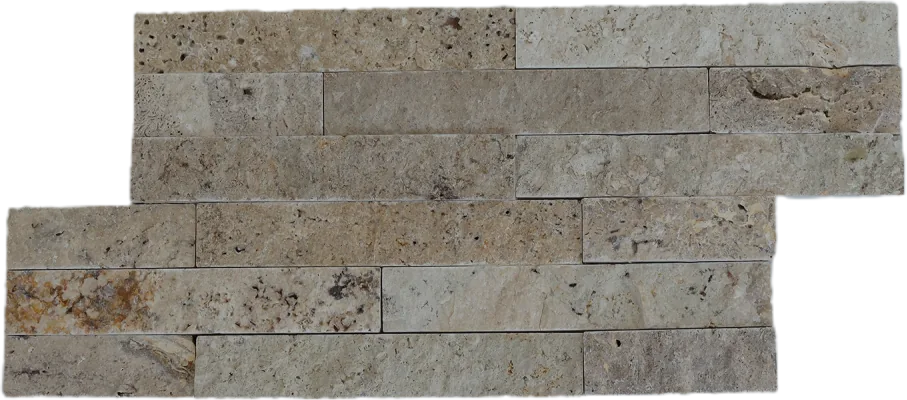
Philadelphia
6 × 12 in
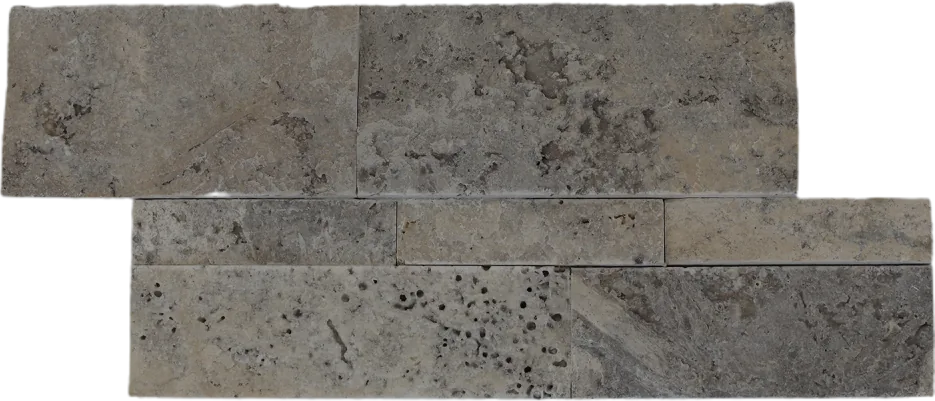
Silver
6 × 12 in
Sizes and coverage
A 600 × 150 mm panel covers 0.09 m², so about eleven clad a square metre; a 450 × 150 covers 0.0675 m² and a 300 × 150 covers 0.045 m². A wall is quoted by its area alone.
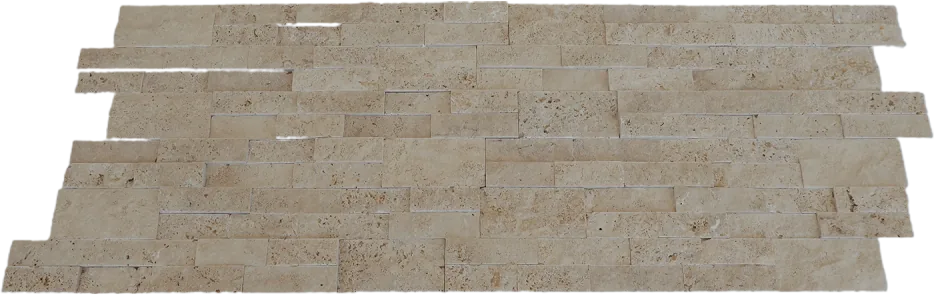
Split face ledger panel 6 × 24
The standard North American panel. 15 colours.
15 colours →
XL ledger panel 9 × 24
The large-format panel. 32 stones, split face and honed.
32 colours →
XL corner 9 × 18
Outside corners for the XL panel. 3 colours.
3 colours →
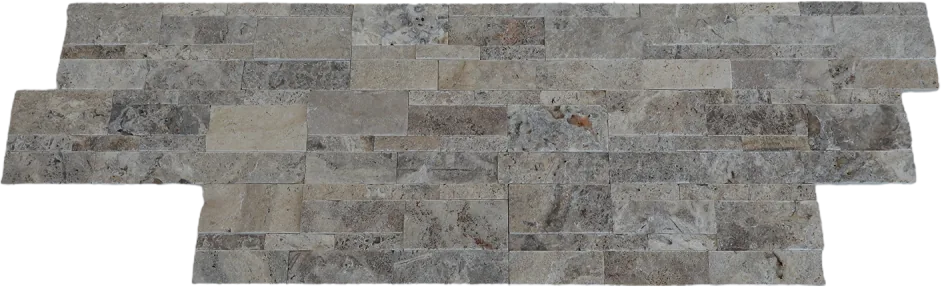
Split face ledger panel 6 × 18
A shorter panel for narrow walls and columns.
1 colour →
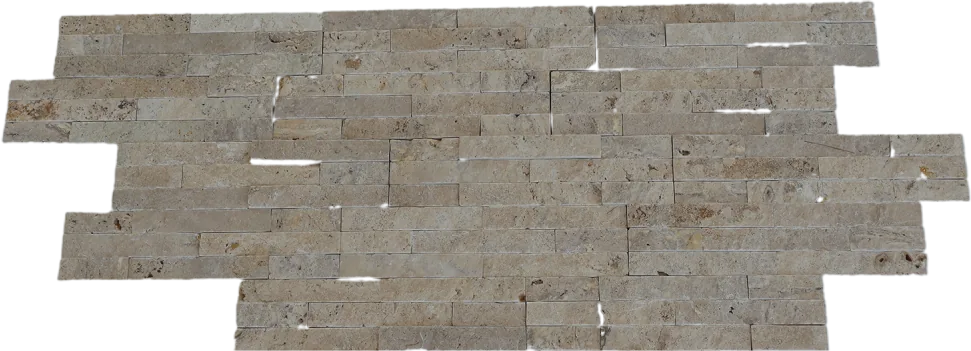
Split face ledger panel 6 × 12
The small panel, for tight spaces and detail.
2 colours →
Stacked stone cladding, ledger panel, ledgerstone: one product
In Australia, the UK and New Zealand it is stacked stone cladding, split face cladding or natural stone wall cladding; in North America the same panel is a ledger panel or ledgerstone. It is several split face strips bonded into one staggered unit. The stepped ends lock into the next panel, so the joint disappears into the pattern and the wall reads as dry-stacked stone rather than tiles.
Because the US market sizes these panels in inches, you will see 6 × 24, 6 × 18 and 6 × 12 on our product pages. They are the same panels: 600 × 150, 450 × 150 and 300 × 150 mm.
Sizes and thickness
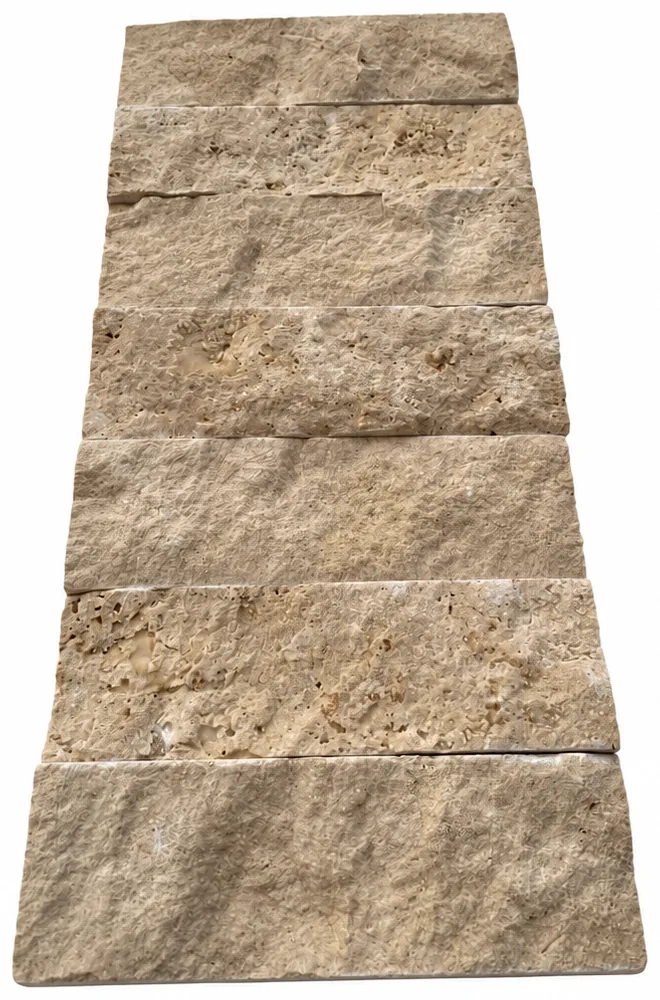
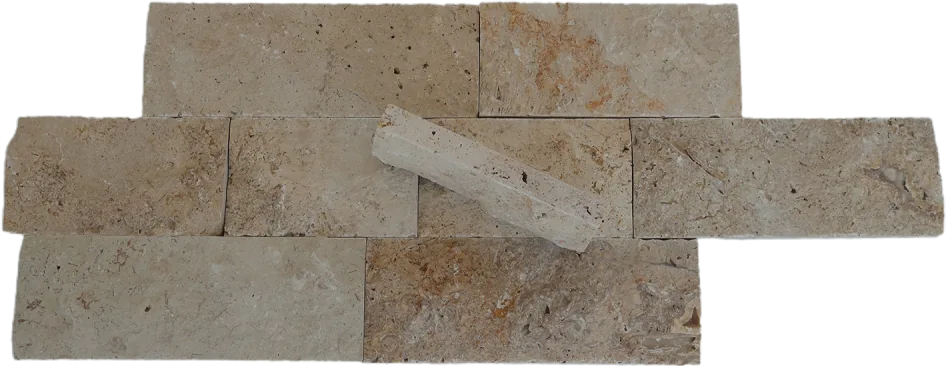
Standard panels are 600 × 150, 450 × 150 and 300 × 150 mm and about 20–30 mm thick. The XL panel is 610 × 230 mm and about 30–40 mm thick, in split face and in honed or sandblasted 2D and 3D faces, with matching XL corners for external corners and returns. Loose split face strips are 100 mm high in free lengths, 21 mm thick, and there is a 50 × 150 mm strip as well. Thicknesses vary with the split, as they would in any natural stone.
Travertine or marble
Travertine splits with an open, slightly porous face in creams, golds, browns and silvers, and gives a warm wall. Marble breaks sharper, with more crystal and contrast, in whites, greys and black. Both are natural stone all the way through, so a chip shows more stone rather than a grey core, and neither fades in the sun as coloured concrete veneer can.
Inside, outside and on facades
Split face cladding is used on feature walls, fireplaces and chimney breasts, kitchen splashbacks, columns, retaining and garden walls, outdoor kitchens and facades. Outdoors, use an exterior-rated adhesive, seal the stone so water does not sit in the face, and in frost-prone areas follow the adhesive maker's guidance for freeze-thaw. On facades above ground level, follow your local building code and the adhesive system's specification; some jurisdictions call for mechanical fixing at height.
What to fix it to
Onto fibre cement sheet, cement board, masonry, brick or concrete — never straight onto plasterboard or painted surfaces. Use a polymer-modified cement-based adhesive on the wall and back-butter each panel. Start at the bottom on a level line, stagger the vertical joints, and seal the stone once the adhesive has cured.
From Denizli, by the container
We sell to importers, distributors and stone suppliers. Samples go out before an order is confirmed, the minimum order is 100 m², and one container can carry several colours and products. Crates are strapped timber, heat-treated to ISPM 15, and we ship FOB Izmir about four weeks after order confirmation.
Split face strips
The same split face stone as loose 100 mm strips in free lengths, for large walls and facades where a panel pattern would repeat.
Questions about split face stone cladding
Is stone cladding the same as a ledger panel?
Yes. Stacked stone cladding, split face cladding and ledger panel are names for the same thing: natural stone strips bonded into a staggered panel that interlocks with the next. Australia, the UK and New Zealand say cladding; North America says ledger panel.
Can split face cladding be used outdoors and on facades?
Yes: facades, retaining walls, garden walls and outdoor kitchens. Use an exterior-rated adhesive, seal the stone, and on facades above ground level follow your local building code, which may require mechanical fixing at height.
What substrate does stone cladding need?
A rigid, sound one: fibre cement sheet, cement board, masonry, brick or concrete. Not plasterboard and not a painted surface. Fix with a polymer-modified cement-based adhesive and back-butter every panel.
How many square metres are in a crate and a container?
An XL crate holds 108 panels of 610 × 230 mm, which is 15.06 m², and a 20 ft container takes 26 XL crates, 391.56 m². For standard panels and mixed loads, we confirm the crate and container figures with your quote.
Do you ship to Australia, the UK and New Zealand?
Yes. We ship FOB Izmir, and your freight forwarder books the sea freight to your port. Our guide to importing stone cladding into Australia covers duty, GST and the timber crate rules.