Importing natural stone cladding from Turkey into Australia
Updated
Turkey is one of the world's largest natural stone exporters, and Denizli is at the centre of its travertine trade. A container from Denizli is a routine shipment, but Australia has rules of its own on duty, GST and timber packaging, and a first-time importer is best off knowing them before the stone is loaded. This is the order things happen in.
The product, and what it is called
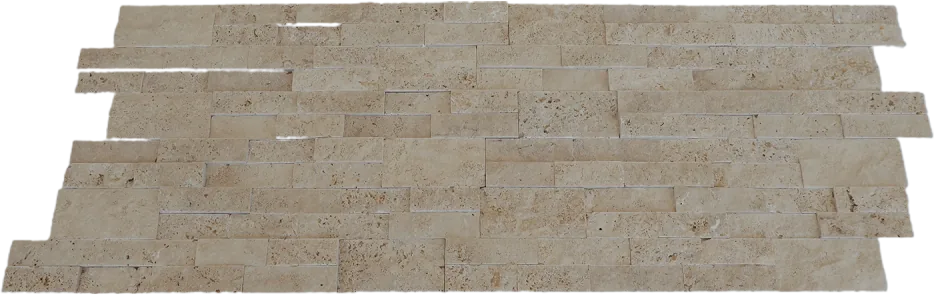
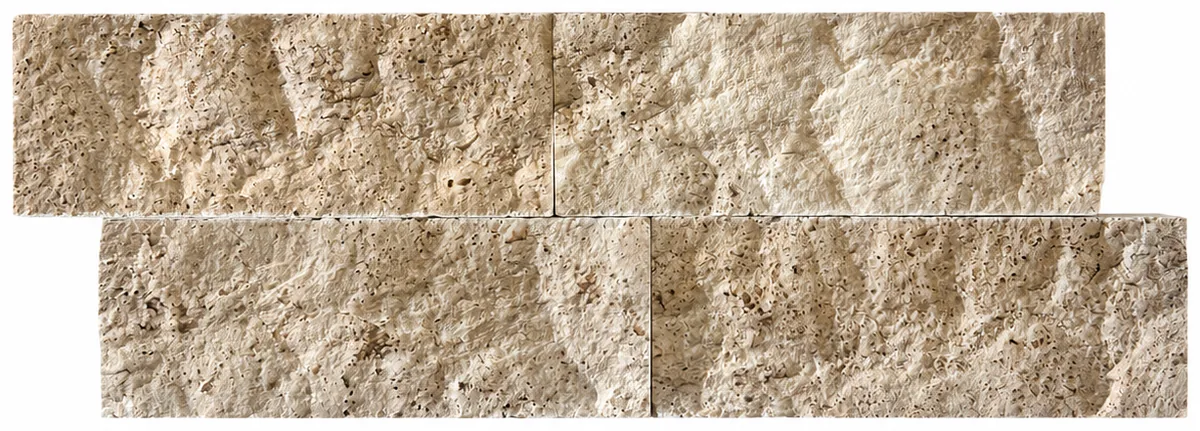
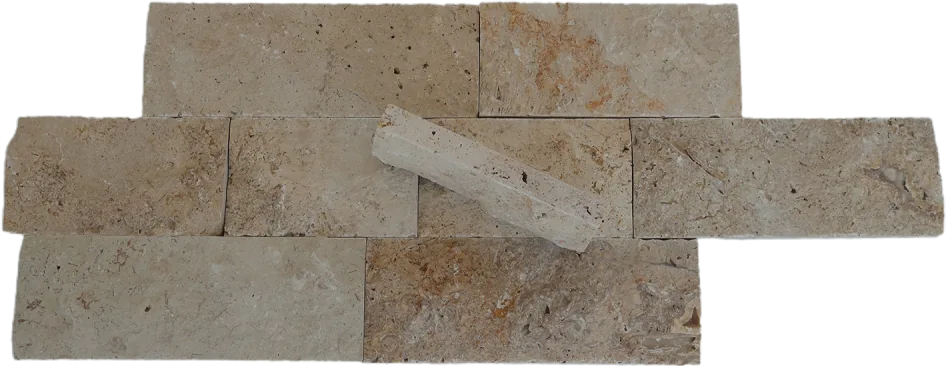
In Australia this is stacked stone cladding, split face stone cladding or natural stone wall cladding. In North America the same thing is a ledger panel, which is why Turkish producers, who sell a great deal to the US, often describe it in inches: 6 × 24 inch is 600 × 150 mm, 6 × 18 is 450 × 150 and 6 × 12 is 300 × 150. Our XL panel is 610 × 230 mm.
Ask for quotes in square metres and millimetres, and check that the product described is natural stone split on a guillotine — not concrete cast in a mould and coloured on the surface, which is sold under similar names.
Customs duty and GST
Worked travertine and marble — stone taken beyond simple sawing, which split face cladding is — is generally classified under tariff subheading 6802.91 in Schedule 3 of the Customs Tariff, published by the Australian Border Force. The general rate of duty there is 5 %. The tariff also lists a lower developing-country rate of 4 %; whether any rate other than the general one applies to stone from Turkey depends on the origin rules and the country lists, so do not assume it does.
GST of 10 % is then charged on the value of the taxable importation: the customs value plus the duty plus the international freight and insurance. Importers registered for GST can usually defer it to their business activity statement under the deferred GST scheme rather than paying it at the border.
The exact classification depends on the stone and how it is worked, and rates change. Have a licensed customs broker confirm the tariff classification and the rate before you order, and build both into your landed cost per square metre.
Timber crates, ISPM 15 and BICON
Stone travels in wooden crates, and Australia's biosecurity rules for timber packaging are strict. Under the import conditions set by the Department of Agriculture, Fisheries and Forestry (DAFF), published in its BICON database, timber packaging must be treated and marked to the ISPM 15 standard, debarked, and free of pests and soil.
Packaging that is unmarked, wrongly marked or infested can be ordered for treatment, re-exported or destroyed, and the importer pays. Check the current conditions in BICON before the container is loaded, and ask your supplier for photographs of the ISPM 15 stamp on the crates you are buying.
Ports and freight
Containers from Turkey reach all the main Australian container ports: Sydney (Port Botany), Melbourne, Brisbane, Fremantle and Adelaide. Choose the port closest to your warehouse rather than the cheapest ocean rate, because trucking a heavy container a long way can cost more than the sea leg saves.
Stone ships in 20 ft containers, because it is so dense that a container reaches its weight limit long before it is full. Ask your transport company what a 20 ft container can carry on the road in your state, and tell your supplier, so the load is set to what can be driven out of the port. Shipping schedules and transit times change with the carrier and the route; your freight forwarder confirms them when the booking is made.
What to ask a supplier
With a quote, ask for: the price per square metre and the delivery term (FOB, CIF and so on); the minimum order; the lead time from order confirmation; the square metres per crate and the crates per container; the gross weight of a loaded container; whether the crates are ISPM 15 treated and marked; and samples of every colour before you confirm.
Ask too for the documents your broker will need — commercial invoice, packing list, bill of lading and certificate of origin — and send your broker's list to the supplier before loading, not after the ship has sailed.
How we ship
We make split face cladding in travertine and marble in Akhan, Pamukkale, Denizli. Samples go out before an order is confirmed, the minimum order is 100 m², and one container can carry several colours and products.
The stone is packed in strapped wooden crates, heat-treated to ISPM 15. An XL crate holds 108 panels of 610 × 230 mm, 15.06 m², and a 20 ft container takes 26 of them, 391.56 m². Production and loading take about four weeks from order confirmation, and we ship FOB Izmir: your forwarder books the freight from there to your Australian port.